What Is System Integration? ERP, APIs and Data Flow
What system integration is, why businesses need it and what it brings: automated data flow between ERP, accounting, ecommerce, CRM and marketplaces.
If you enter the same data into three different programs, copy ecommerce orders into accounting one by one, or your stock count differs in every system, your business needs system integration. In this article we explain what system integration is, why it’s needed and what it brings to your business.
What Is System Integration?
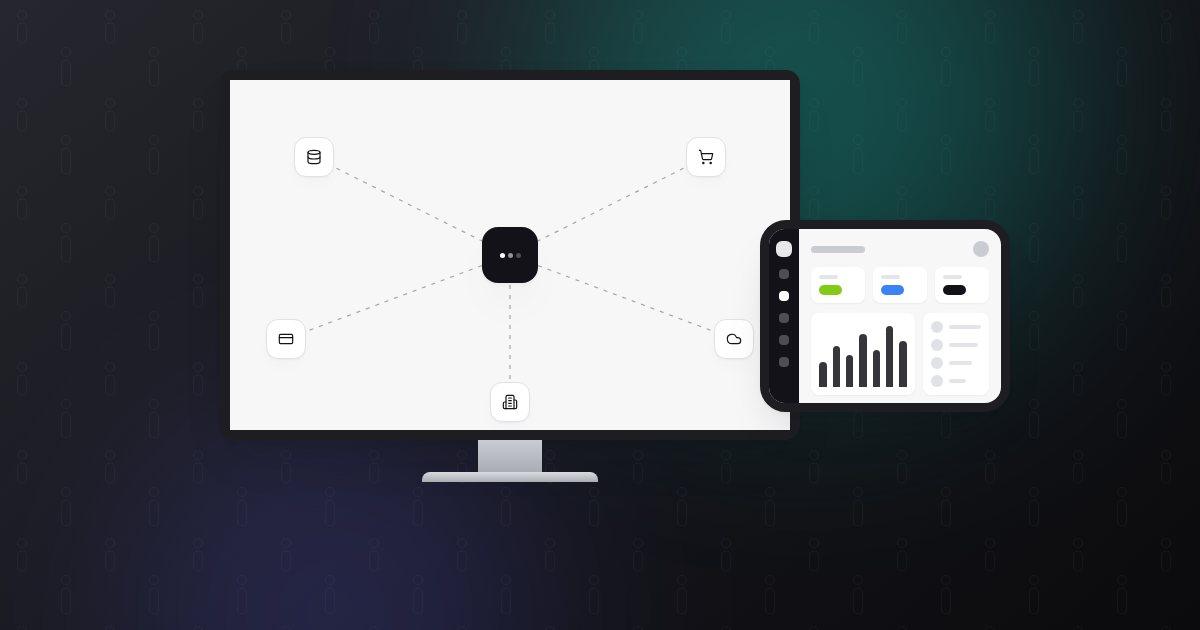
System integration connects the different software used in your business so they exchange data automatically. ERP, accounting, ecommerce, CRM and marketplace systems that used to work separately become one coherent whole. Data created in one place flows to the others automatically.
A simple example: when an order arrives on your ecommerce site, it automatically becomes an invoice in accounting, stock is deducted and the shipment is passed to the carrier — without you doing any of it by hand.
Why Do Businesses Need It?
Ends Manual Data Entry
Entering the same information in several places wastes time and causes errors. Integration removes this repetition.
Reduces Errors
Every manual entry is a risk: a wrong price, missing stock, an incorrect address. Automatic flow minimises human error.
Accurate, Real-Time Data
Your stock, order and financial data are the same and up to date in every system. The question “which number is right?” disappears.
Saves Time and Money
Automated processes move staff from routine data entry to more valuable work.
Which Systems Get Integrated?
- ERP systems: Enterprise resource planning software such as Logo, Mikro or Netsis
- Accounting: Tools such as Paraşüt and similar solutions
- Ecommerce platforms: Your own site or hosted platforms
- Marketplaces: Channels such as Trendyol, Hepsiburada or Amazon
- CRM systems: Customer and sales data
- Carriers: Automatic shipping and tracking
- Payment systems: Gateways such as iyzico, PayTR or Stripe
How Does Integration Work? (APIs)
The technology that lets systems talk to each other is called an API (Application Programming Interface) — a “common language” between two pieces of software. A well-designed API integration includes real-time sync, error logging and automatic notifications, so if a transfer fails you’re told immediately and can fix it quickly.
Some systems offer ready-made APIs; others need custom development. Good integration doesn’t just move data — it cleans and transforms it (for example matching different product codes across two systems).
What to Watch for in an Integration Project
- A clear process map: Which data flows where, and under what conditions?
- Error handling: What happens if a transfer fails? Notifications and retries are needed.
- Security: Data transfer must be encrypted and authorised.
- Scalability: The system must hold up as volume grows.
- Documentation: How the integration works should be documented.
Especially Important for Ecommerce
For businesses selling online, integration is almost essential. If you sell the same product on several channels (your own site plus marketplaces), without stock sync you’ll soon face “sold but out of stock” problems. Integration lets you manage stock and orders across every channel from one point.
Frequently Asked Questions
Does my small business need integration? If you use more than one system and move data between them by hand, yes. Even at a small scale, integration saves time and prevents errors.
Can my existing software be integrated? Most modern software offers APIs and can be integrated. For older systems without APIs, alternative methods are evaluated. An analysis call clarifies this.
How long does integration take? From a few weeks to a few months, depending on the number and complexity of systems to connect.
In Summary
System integration connects your software, ends manual data entry, reduces errors and lets you work with accurate real-time data. As your business grows, integration becomes the foundation of efficiency rather than a luxury. To get your systems talking, contact DijiText via our contact form or WhatsApp (+90 549 511 14 01).