Mobile App or PWA? The Right Choice for Your Business
The differences between a native mobile app and a PWA (Progressive Web App): cost, app stores, notifications, camera access, updates and when to choose which.
"We need a mobile app" is a very common request. But not every need calls for an app published on the App Store and Google Play. A PWA (Progressive Web App) is an alternative built with web technologies that can be installed on a phone like an app. The right choice depends on your budget, your audience and the device features you need.
What is a PWA?
A PWA is a web application that opens in the browser but, once added to the home screen, runs full-screen with its own icon and no address bar. It can receive notifications, access the camera and in some cases work offline.
Comparison
- Development: A PWA is built from one web codebase; a native app requires separate iOS and Android builds or cross-platform development.
- Distribution: A PWA is installed via a link, QR code or website; a native app is downloaded from the App Store and Google Play.
- Updates: A PWA updates instantly without the user noticing; a native app needs store review and a user update.
- Notifications: A PWA receives Web Push notifications on Android and iOS; native apps have full support.
- Device access: A PWA can use the camera, location and basic sensors; a native app can use all hardware and system features.
- Cost: A PWA is usually more economical.
When is a PWA the right choice?
- When users are the business's customers or staff and can get the app via a link
- When content and features are updated frequently
- When the budget is limited and going live quickly matters
- When basic device features such as barcode / QR scanning with the camera are enough
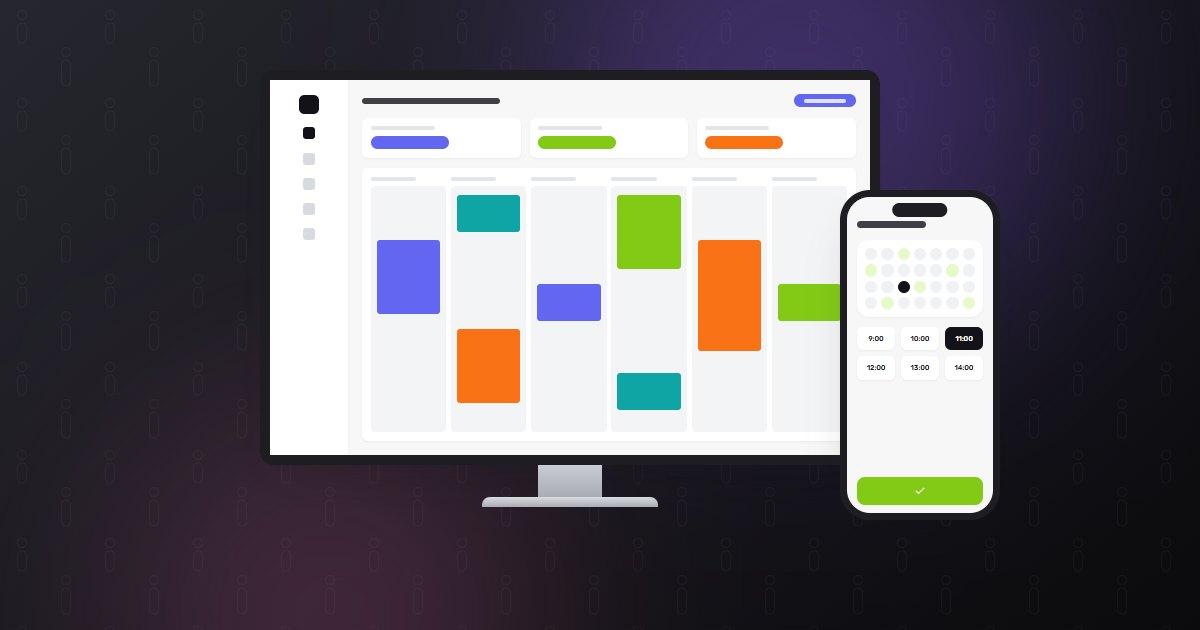
Example: Randevul, which we built for the automotive trade, is a PWA. Technicians and advisors add it to their phones like an app, read plates, registrations and QR codes with the camera, and get instant notifications for new bookings and quote approvals. Every update reaches everyone instantly, with no store process.
When do you need a native app?
- When app store visibility is part of your marketing strategy
- When you need advanced device features such as Bluetooth, NFC or background location
- For heavy graphics, games or demanding offline scenarios
- When you need store-ecosystem features such as in-app purchases
In these cases, building for both platforms from one codebase with React Native or Flutter balances the cost.
Conclusion
For most businesses a well-designed, mobile-friendly web application or PWA meets the need and lowers the cost. Native apps come into play when store presence and advanced device features are required. For the basics of mobile-friendliness, see why a mobile-friendly website matters.
If you'd like to evaluate which is right for your project, explore our mobile app development service or contact us.