Marketplace Integration: Managing Trendyol, Hepsiburada and More from One Place
Sync stock, prices, orders and invoices across marketplaces such as Trendyol, Hepsiburada and Amazon. When an off-the-shelf integrator is enough and when to go custom.

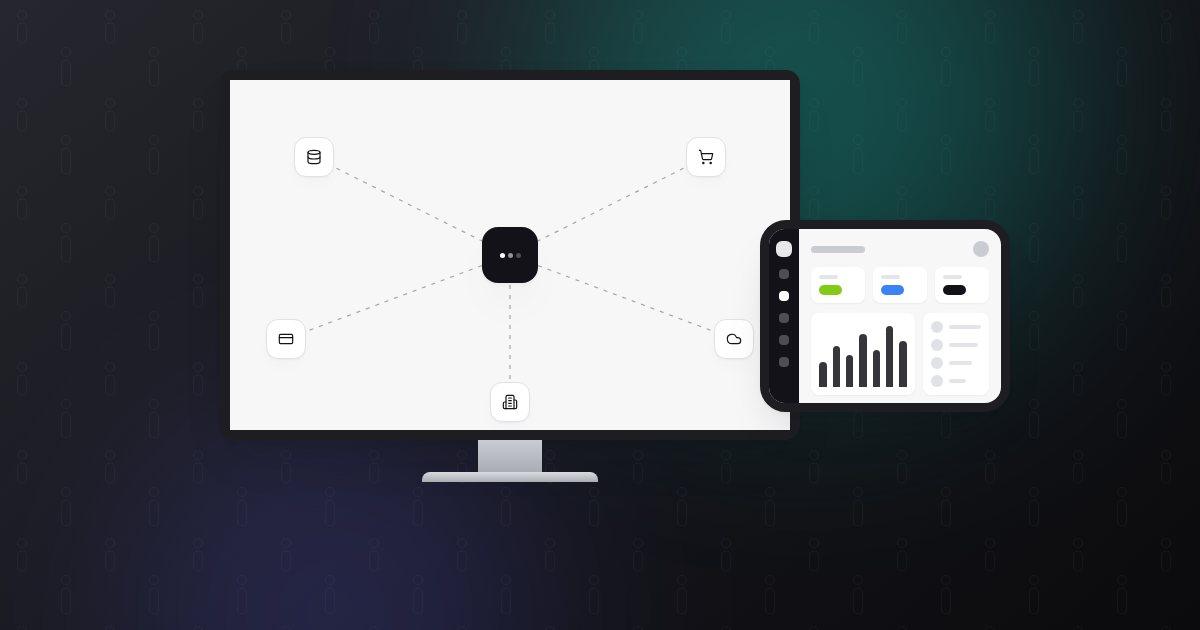
For a business selling on marketplaces such as Trendyol, Hepsiburada, Amazon and N11, the biggest problem is usually not sales but management: separate stock, separate prices and separate order screens in every panel. Marketplace integration brings that chaos together in one place.
What Happens Without Integration?
- A product sold on one channel still shows as in stock on another, creating cancellation and penalty risk.
- Price changes are made by hand in every panel; errors are inevitable.
- Orders are collected from different screens and shipping and invoicing are delayed.
- You cannot see which channel is actually profitable.
What Does Marketplace Integration Cover?
1. Product and content sync
Product data, images and variants are managed centrally, with category and attribute mapping for each marketplace.
2. Stock sync
A sale on one channel automatically reduces stock on all channels, and it can work both ways with your warehouse or ERP system.
3. Price management
Channel-specific pricing rules (commission differences, campaign prices) are defined and applied automatically.
4. Orders, shipping and invoices
All orders land on a single screen; shipping labels and e-invoicing are automated.
5. Reporting
Revenue, commission, return rate and profitability per channel in one report.
Off-the-Shelf Integrator or Custom Integration?
Ready-made integrator software exists and is a good start for standard needs. A custom integration may make more sense when:
- You need deep integration with your existing ERP, accounting or warehouse software,
- You have special pricing, packaging or production processes,
- Monthly licence fees grow quickly with your order volume.
You can weigh this decision using the framework in custom software vs. off-the-shelf.
How Does It Work Technically?
Marketplaces provide APIs for sellers. The integration layer talks to these APIs at regular intervals or on events, logs errors and retries. Must-haves for a good integration: error logs, retry mechanisms, respect for API rate limits and a clear admin panel.
Your Own Store Belongs at the Centre Too
Marketplaces bring traffic, but customer data and brand loyalty largely stay with them. Connecting your own e-commerce site to the same stock and order hub reduces commission dependency in the long run. See our e-commerce guide.
Conclusion
Marketplace integration eliminates stock errors, manual work and hidden unprofitability. Let’s design the right solution for your infrastructure as part of our system integration service: contact us.